Cold Chain, Hot Returns: Why Pharmaceutical Logistics Real Estate Is Becoming Commercial Property's Most Compelling Niche
When Biology Meets the Warehouse
The conventional industrial real estate narrative of the past decade has centered on e-commerce fulfillment — vast, standardized distribution boxes positioned along interstate corridors to serve the last-mile delivery demands of an online retail economy. That narrative remains valid, but it is no longer the most interesting story in industrial property. A quieter, more technically demanding, and considerably more lucrative chapter is being written by the pharmaceutical and biotech sectors, which require a category of logistics infrastructure that standard fulfillment facilities simply cannot provide.
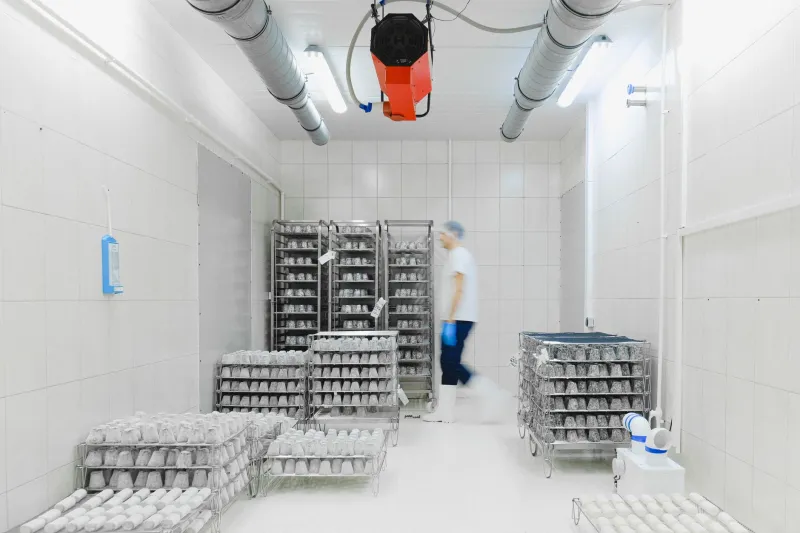
Temperature-controlled pharmaceutical storage — commonly referred to as cold chain logistics real estate — encompasses a spectrum of specialized facility types designed to maintain precise environmental conditions for drug products, biologics, vaccines, and clinical trial materials throughout the distribution process. These are not ordinary cold storage buildings. They are highly engineered assets incorporating redundant HVAC systems, validated temperature monitoring technology, controlled access security infrastructure, and compliance frameworks aligned with FDA Good Distribution Practice standards. Building them requires specialized expertise. Operating them requires specialized talent. And leasing them commands specialized rents that bear little resemblance to conventional industrial benchmarks.
A Demand Surge With Structural Legs
The forces driving demand for pharmaceutical logistics real estate are not cyclical — they are structural, and they are compounding. The global biologics market, which encompasses monoclonal antibodies, cell and gene therapies, and mRNA-based treatments, is projected to exceed $900 billion by 2030. Biologics are, by their nature, temperature-sensitive products requiring cold chain handling from manufacturing through final dispensing. Every percentage point of market growth in this category translates directly into incremental demand for compliant cold chain infrastructure.
The COVID-19 pandemic accelerated this dynamic in ways that continue to reverberate through the sector. The rapid development and global distribution of mRNA vaccines demonstrated both the strategic importance and the capacity constraints of pharmaceutical cold chain networks. Major health systems, pharmaceutical manufacturers, and government procurement agencies responded by dramatically increasing their investment in distribution infrastructure — a capital deployment cycle that has not yet run its course.
Domestically, the onshoring of pharmaceutical manufacturing — a policy priority supported by both the CHIPS and Science Act and broader supply chain resilience initiatives — is generating additional demand for domestic logistics infrastructure to serve manufacturing facilities that did not exist five years ago. As production capacity returns to the United States, the distribution networks that connect manufacturers to healthcare providers must be built alongside it.
The Performance Gap Between Pharma and Conventional Industrial
The financial performance differential between pharmaceutical logistics assets and conventional industrial real estate is becoming increasingly difficult for institutional investors to ignore. According to data compiled by CBRE's Life Sciences practice, purpose-built pharmaceutical distribution facilities in established life sciences markets are commanding net rents 35 to 60 percent above those achieved by comparable conventional cold storage assets — a premium that reflects both the technical complexity of the product and the depth of demand relative to available supply.
Vacancy rates in dedicated pharmaceutical logistics submarkets are running at historic lows. In established life sciences clusters including the Route 128 corridor outside Boston, Research Triangle Park in North Carolina, and the San Diego biotech hub, purpose-built pharmaceutical distribution facilities are routinely pre-leased before construction is complete. Tenant profiles in this category — major pharmaceutical manufacturers, third-party logistics providers with life sciences specializations, and hospital system distributors — tend to be creditworthy, long-term occupants whose lease structures provide the kind of income stability that institutional capital prioritizes.
Emerging Markets Beyond the Established Hubs
While Boston, San Diego, and the San Francisco Bay Area have historically dominated life sciences real estate conversations, the pharmaceutical logistics opportunity is not confined to those markets. A second tier of emerging pharmaceutical distribution hubs is developing in cities where manufacturing investment, academic medical infrastructure, and logistics geography converge.
Indianapolis — home to Eli Lilly's global headquarters and a growing cluster of contract manufacturing organizations — has seen pharmaceutical logistics development accelerate significantly over the past three years. The Research Triangle region of North Carolina, anchored by major biotech and pharmaceutical manufacturing operations, is experiencing similar demand growth. Columbus, Ohio, which sits at the intersection of major interstate freight corridors and hosts a substantial healthcare system network, is attracting cold chain logistics investment from developers who recognize that proximity to end-user healthcare facilities is as important as proximity to manufacturing in pharmaceutical distribution.
For investors willing to look beyond the primary coastal life sciences markets, these secondary hubs offer the prospect of acquiring pharmaceutical logistics assets at yields that have not yet been compressed by the weight of institutional capital chasing a limited supply of product in gateway markets.
The Technology Layer That Defines the Asset Class
What distinguishes pharmaceutical logistics real estate from other specialized industrial categories is the degree to which technology is embedded in the physical asset. Modern pharmaceutical distribution facilities incorporate continuous environmental monitoring systems — often integrated with cloud-based analytics platforms — that provide real-time temperature, humidity, and security data across every zone of the facility. This monitoring infrastructure is not optional; it is required for regulatory compliance and is increasingly demanded by pharmaceutical tenants as a condition of occupancy.
The capital investment required to build and maintain this technology layer creates a meaningful barrier to entry that supports long-term rent stability. Unlike conventional warehouse space, which can be replicated relatively quickly by a developer with access to land and construction financing, a fully compliant, technology-integrated pharmaceutical distribution facility requires specialized design expertise, validated systems, and regulatory knowledge that takes years to develop. This barrier to entry is one of the structural factors that sustains the performance premium the asset class commands.
A Niche That Demands Specialized Diligence
Investing in pharmaceutical logistics real estate is not a passive exercise. The asset class rewards investors who develop genuine expertise in FDA regulatory frameworks, cold chain technology standards, and the operational requirements of pharmaceutical tenants. A facility that falls out of regulatory compliance — even temporarily — can expose its owner to lease termination risk and reputational damage that conventional industrial assets simply do not face.
For those willing to develop that expertise, or to partner with operators who already possess it, pharmaceutical logistics real estate represents one of the most compelling risk-adjusted opportunities in commercial property today. The demand tailwinds are structural, the supply constraints are genuine, and the tenant quality is exceptional. In a commercial real estate landscape searching for durable growth narratives, the cold chain may be the most underappreciated story of the decade.